

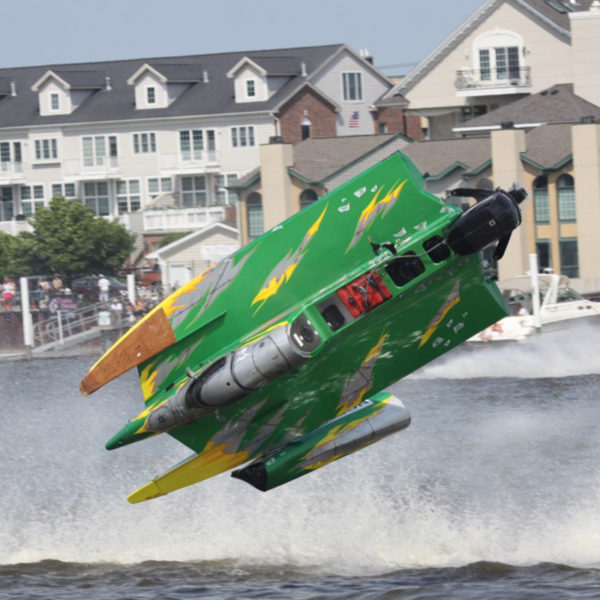
Formula One Powerboat Racing
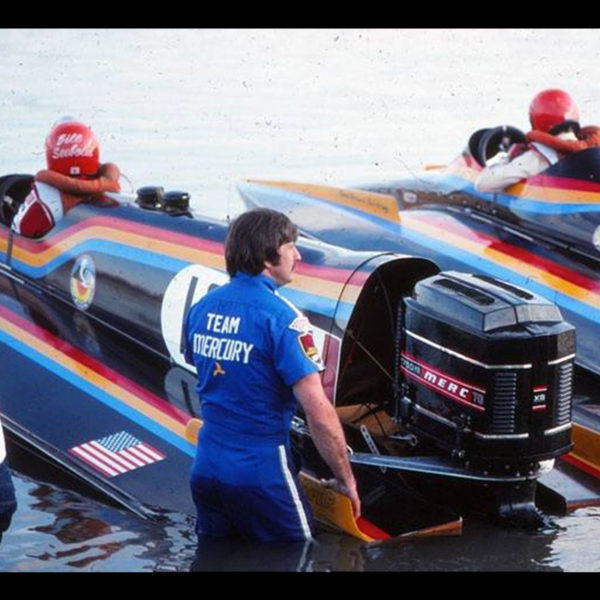
For more than five decades, Formula One Powerboat Racing has stood among the most spectacular forms of motorsport in the world. These lightweight, high-performance machines exceed 120 miles per hour while delivering razor-sharp handling that pushes drivers to the limit. The result is intense, deck-to-deck competition where boats race just inches apart, thrilling spectators with speed, precision, and daring skill. In many host markets, a Formula One race weekend becomes the largest motorsports attraction of the year, drawing substantial live audiences and wide media exposure that reaches hundreds of thousands of fans each season.
A Formula One Powerboat races serve as the centerpiece of a weekend festival that often ranks among the biggest annual entertainment events in its community. These gatherings stimulate tourism, highlight regional attractions and businesses, and generate significant economic activity. Over time, many races become woven into the identity of their host cities, evolving into anticipated annual traditions and focal points for corporate hospitality and community celebration.
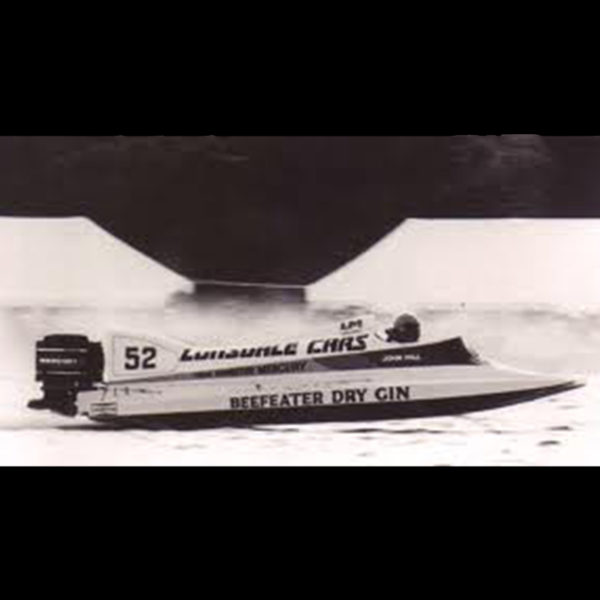
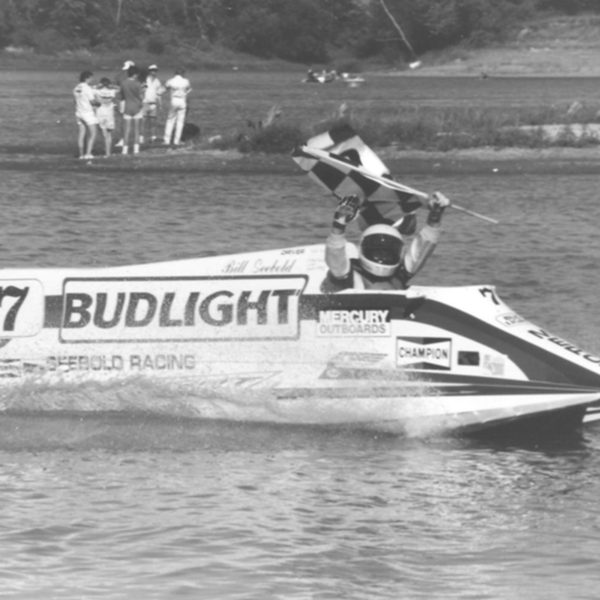
The sport’s enduring appeal lies in its uniquely close and personal style of competition, which creates strong engagement between fans, teams, and sponsors. A Formula One powerboat streaking across the waterfront at triple-digit speeds delivers unmatched visibility and excitement. Motorsports continue to be recognized as a powerful and cost-effective marketing platform, and each race weekend extends beyond the competition itself into a multi-day community festival designed to attract audiences of all ages. Throughout these events, the boats remain front and center, offering prominent surface areas that are ideal for high-impact branding and promotional visibility.
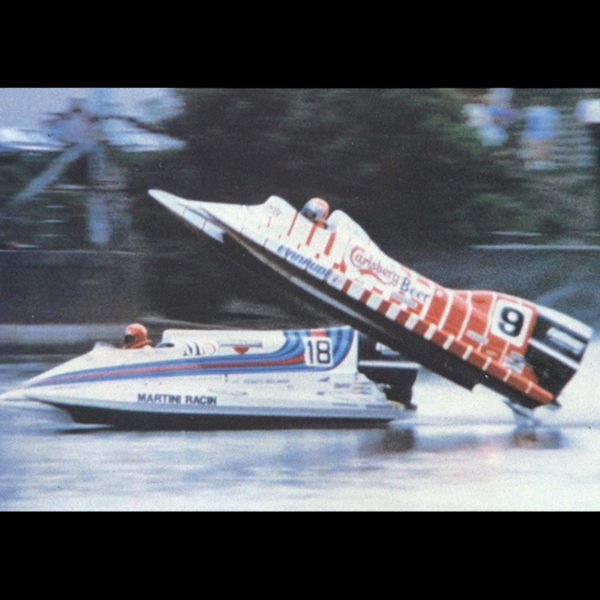
Formula One powerboats measure approximately 17 feet in length and 7 feet 2 inches in width, weighing about 1,155 pounds including the driver. Their exceptional power-to-weight ratio ranks among the highest in motorsports. Performance is equally impressive: these boats accelerate from 0 to 100 miles per hour in roughly 3.5 seconds, reach speeds exceeding 120 miles per hour, and can negotiate a 180-degree turn at over 100 miles per hour while generating forces approaching seven Gs. Combining characteristics of both boat and aircraft, drivers effectively fly the hull across straightaways as aerodynamic lift reduces water contact.
Competition begins with a dramatic Le Mans-style start, where a field of 15 to 20 boats lines up with engines off. At the signal, engines ignite and rooster tails explode skyward as drivers race toward the first turn. Courses typically span about 1.25 miles and feature a mix of right and left turns connected by high-speed straightaways, creating constant side-by-side action. Ever-changing wind and water conditions ensure that no two laps are identical, demanding adaptability and precision from every driver. Race programs include multiple daily heats of approximately 10 laps, culminating in final events that range from 30 to 50 laps, delivering sustained excitement for competitors and spectators alike.